
About Regent Park
History
Regent Park began its life as a 69-acre public housing project in the late 1940’s. It was managed by Toronto Community Housing since its formation. The aim of this housing project was to provide subsidized housing to a segment of the population that needed it most. Unfortunately, the execution and planning of this community fell short of expectations. As a result, Regent Park did not have a proper street grid, infrastructure, any retail or commercial components and believe it or not Regent Park did not have a neighborhood park. All of these shortcomings combined to form a neighborhood that was considered to be full of substandard housing and social problems – Regent Park was a neighborhood to avoid.
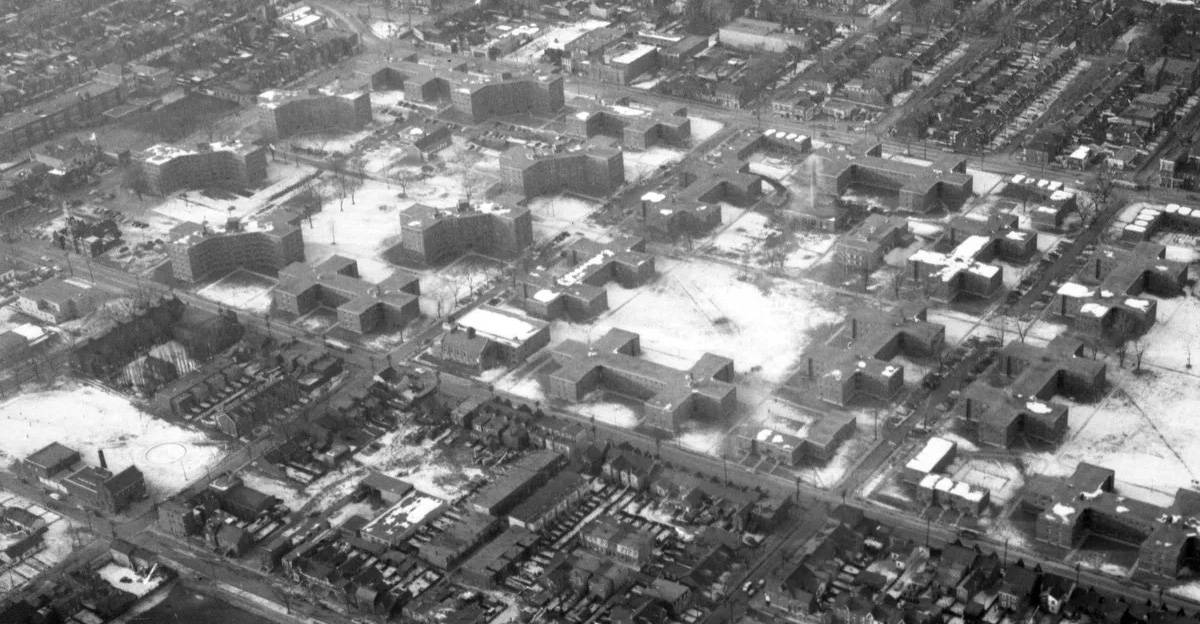
Recognizing the incredible value that this neighborhood presents to the city of Toronto, in early 2000’s, The Daniels Corporation submitted a proposal along with a few other builders to redevelop the entirety of the 69 acres of Regent Park. The goal was to reinvent a forgotten, abandoned and stigmatized neighborhood into a thriving community in Toronto’s Downtown East. A year later, The Daniels Corporation ended up winning the bid to redevelop and gentrify Regent Park, and the revitalization officially started in February 2006.
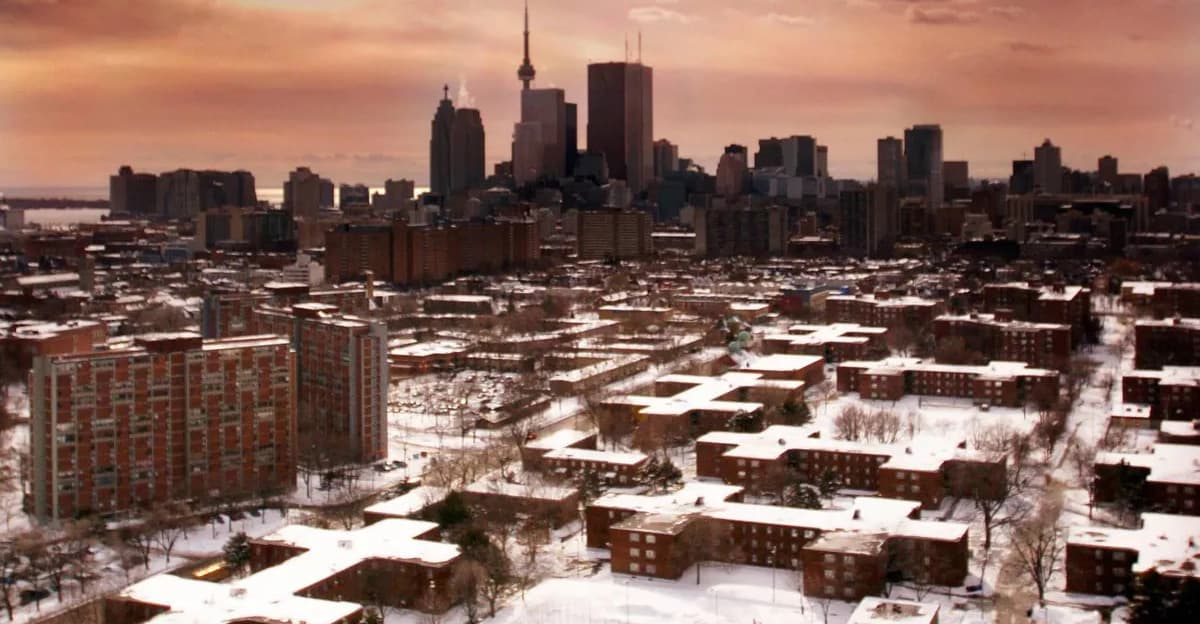
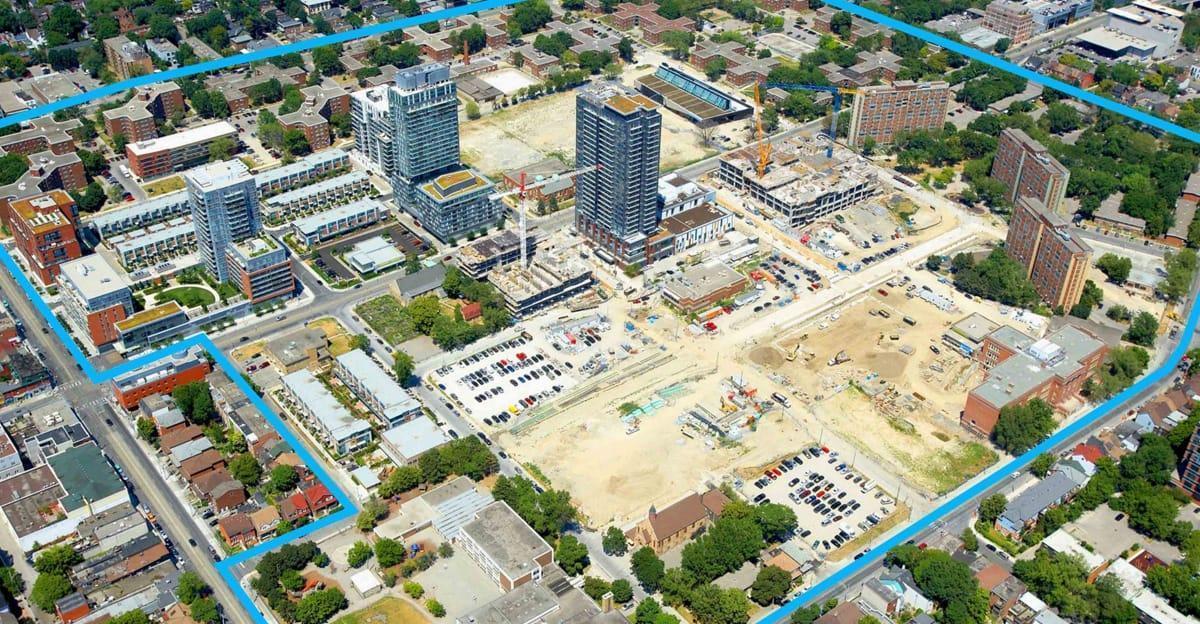
The concept behind the revitalization was to replace existing RGI (rent-geared-to-income) units with brand new housing units of the same type, and in addition, integrate market housing & new retail. A major misconception that needs to be clarified is that the original residents of Regent Park were displaced over the course of the revitalization, on the contrary, they were encouraged to return to Regent Park once a new housing unit was completed that fit their criteria. When the project began there was a total of 2,083 RGI units in Regent Park, and by the time it is going to complete, there will be approximately 7,500 RGI units. Over 3 times as many! Total population of Regent Park is projected to grow from 7,500 (pre-revitalization) to 17,000 by the time it is completed. Lastly, there will be approximately 7,800 market homes built in Regent Park by the end of Phase 5. The revitalization also involved building a new street grid – adding new streets, increasing lighting, adding glass in an effort to create a safer, public oriented urban environment. It had to be split into 5 phases, spanning decades. So far, the total investment into the Regent Park revitalization has exceeded $1.58 Billion dollars.
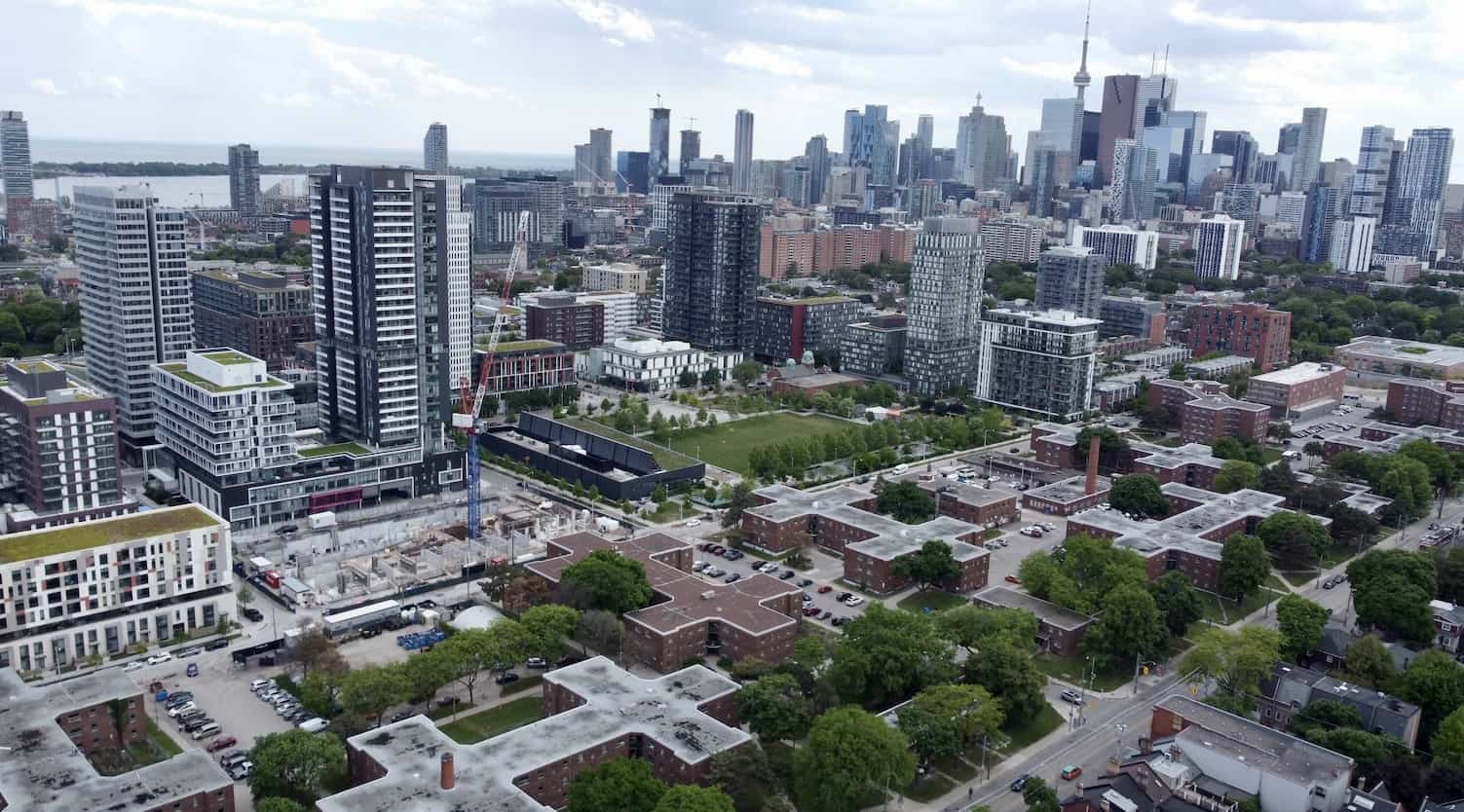
Can you call the Regent Park revitalization a success? Yes, most definitely. Regent Park revitalization is now a golden-standard for re-imagining challenged neighborhoods around the world. A recipient of multiple awards, such as the Urban Design Award of Excellence, Sustainable Communities Award and many others, the revitalization has inspired many cities to replicate this winning formula.
As of the time of writing (September 2022), Regent Park revitalization has lasted over 17 years and approaching completion of Phase 3, with one last block to complete at the corner of Parliament and Gerrard. The Daniels Corporation has been at the helm this entire time, in partnership with Toronto Community Housing of course. The remaining Phases have been awarded to another major Canadian developer called Tridel. Tridel will be in charge of revitalizing Phase 4 & 5 which stretches along Gerrard Street from Parliament to River. It is tough to put a timeline on the completion of the entire revitalization since macro-economic factors will play a major role however, another 8-10 years would be a reasonable projection.
It is worth noting that over the course of the revitalization, The Daniels Corporation has made a significant emphasis on affordability and helping first-time buyers achieve the goal of homeownership. Regent Park was always known for unique Gradual Deposit programs, where buyers were able to save towards a 5% or a 10% deposit with monthly installments of $1,000. In addition, a unique BOOST program was made available which provided qualified buyers with interest-free and payment-free loans to assist with downpayment requirements. It remains to be seen, how many of these programs, if any, will make it into the later stages of the revitalization – Phases 4 & 5.
Today, Regent Park is considered one of the most complete neighborhoods in Downtown Toronto and a compelling place to call home for many first-time buyers and young professionals alike.
Neighbourhood Amenities
Regent Park boasts an impressive list of neighbourhood amenities.
6-Acre Park
Completed in 2014, the new 6-acre park finally brought a real park to Regent Park! Welcomed with much excitement the park features plenty of green space, off-leash dog area, greenhouse, community garden, art installations, children’s playground and a splash pad. During the summer the expansive greenspace is used to host outdoor screenings for the Regent Park film festival.
Pam McConnell Aquatic Centre
Pam McConnell Aquatic centre is a major neighbourhood attraction. Opened in 2012 (formerly known as Regent Park Aquatic Centre), this high-tech aquatic centre features a lap pool, leisure pool, therapy pool, Tarzan rope, diving board, universal change rooms, green roof, waterslide, large sliding glass doors that open onto a sun terrace, and the first ultraviolet sanitation system in Toronto. The modern build, and the award-winning design, as well as the fact that it is free to use, brings many avid swimmers to Regent Park.
Regent Park Athletic Grounds
Probably the best feature of the new Regent Park is the athletic grounds funded in part by the MLSE Foundation. Consisting of a high-quality turf field for multi-sport use, soccer nets, running track, basketball court & outdoor hockey rink with a fieldhouse. No matter the season, there is always something to do on the Athletic grounds. A major neighbourhood amenity, it is always full of people enjoying sports activities.
Daniels Spectrum
Daniels Spectrum is a cultural and community hub, completed in September 2012, intended to be a place to get creative, study, work and play. This is a 60,000 square foot LEED Silver certified, award-winning building. It is home to the Artscape Hub, Galleries & Art exhibitions, community events, programs for youth & adults, classes, celebrations and more. Most notably, it is home to the Regent Park Film Festival.
Regent Park Community Center
Completed in 2016, the new 59,000 square foot Regent Park community center is an exciting addition to the area. Featuring recreation facilities consisting of a gym, weight room, indoor track, changerooms, climbing room, multi-purpose rooms and more. It is also home to an employment center and a Nelson Mandela Child Care center.
Urban Mews
Part of the One Park Place North and South development came the introduction of the Urban Mews. This is a wide pedestrian boulevard connecting the two towers which is home to the Regent Park Farmers Market as well as various outdoor community events. A perfect place for residents to get together, chat over coffee or enjoy a show at the outdoor performance courtyard.
Living Lane
Living Lane is a new pedestrian East-West path which is intended to connect the two condominium residences of DuEast/DuEast Boutique and Artworks/Artsy. This urban-design award-winning laneway is not yet completed, but once finished, promises to bring a new pedestrian and cyclist oriented public space. The pathway will be like no other in the city and will feature distinct design elements such as catenary lights, tree clusters, permeable paving, seating areas, and bespoke “bike forest” racks.

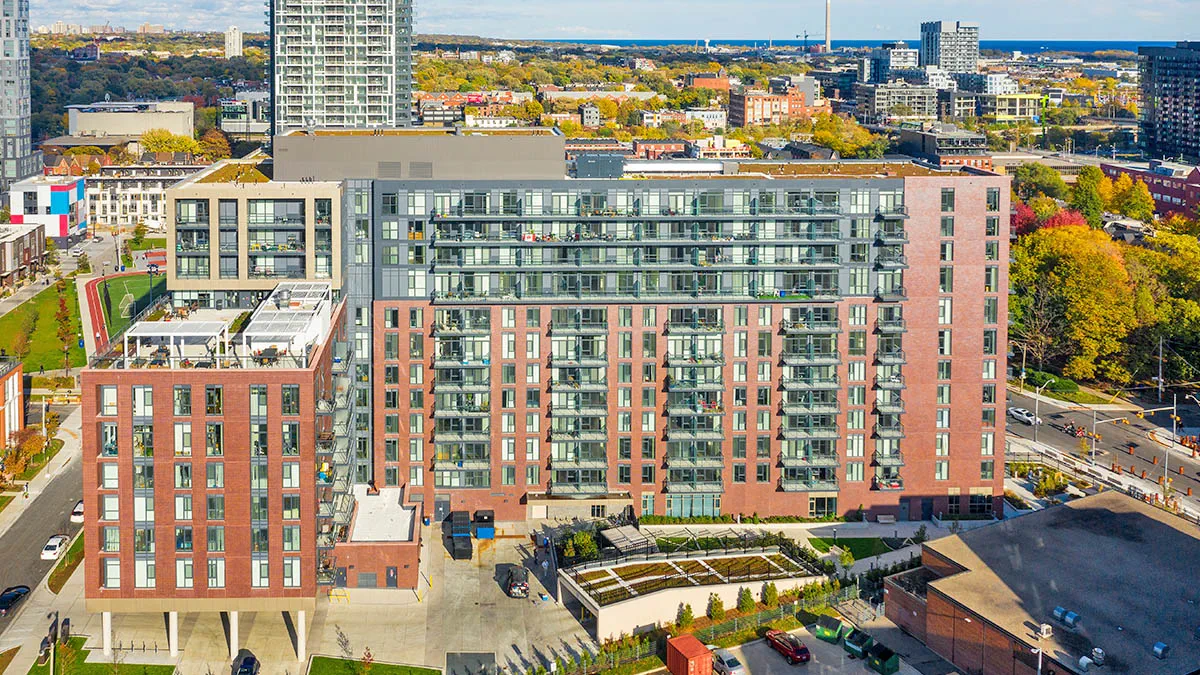
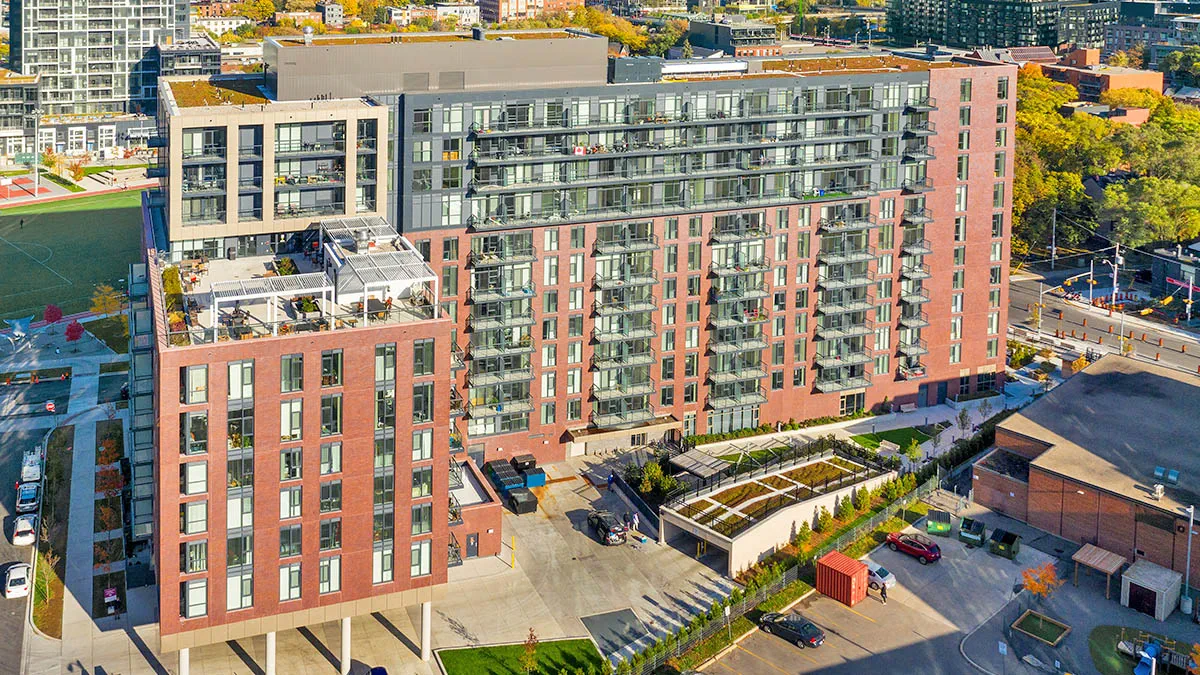
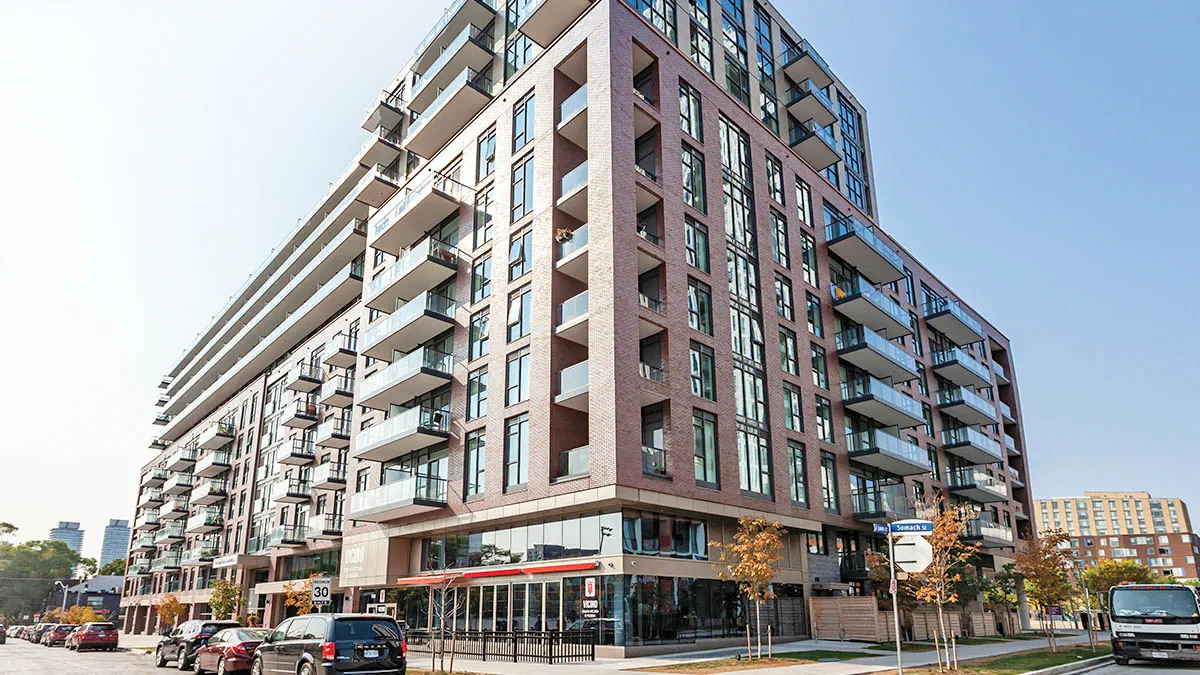
Sumach by Chartwell
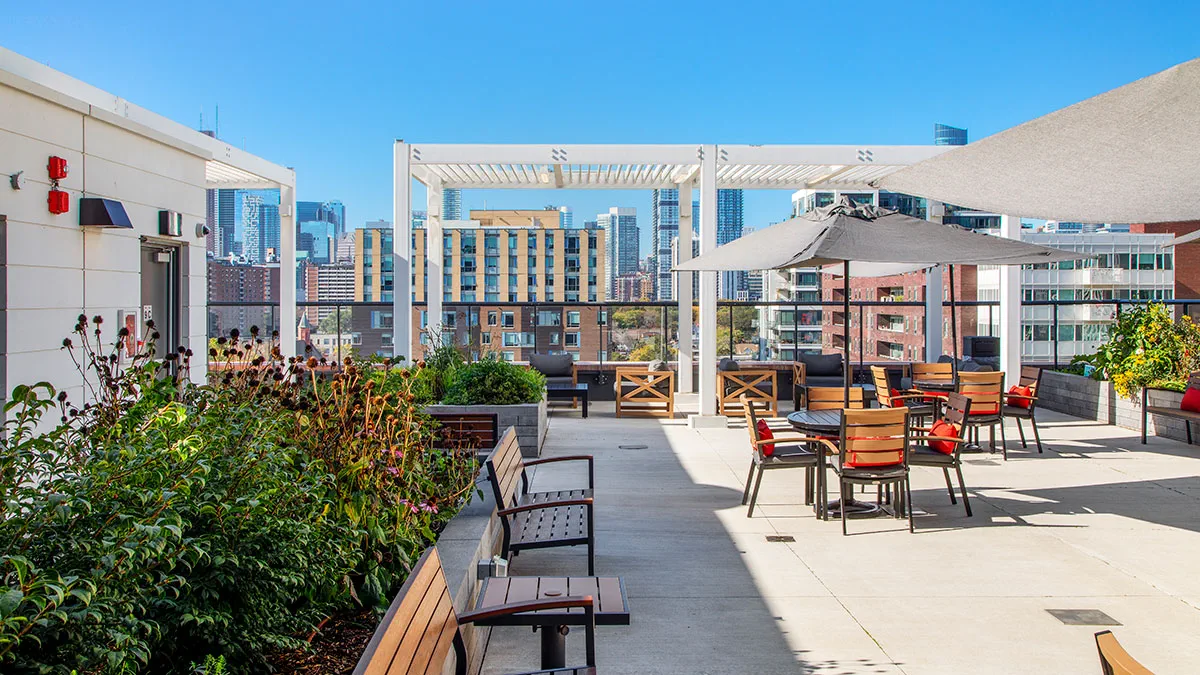
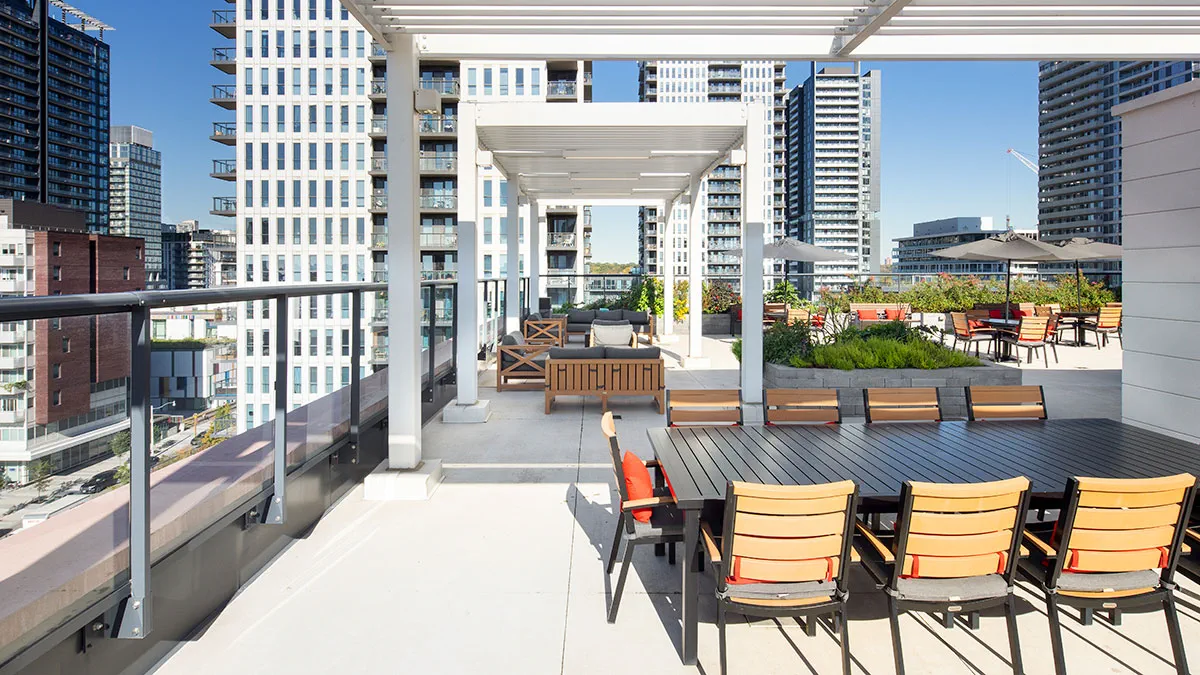
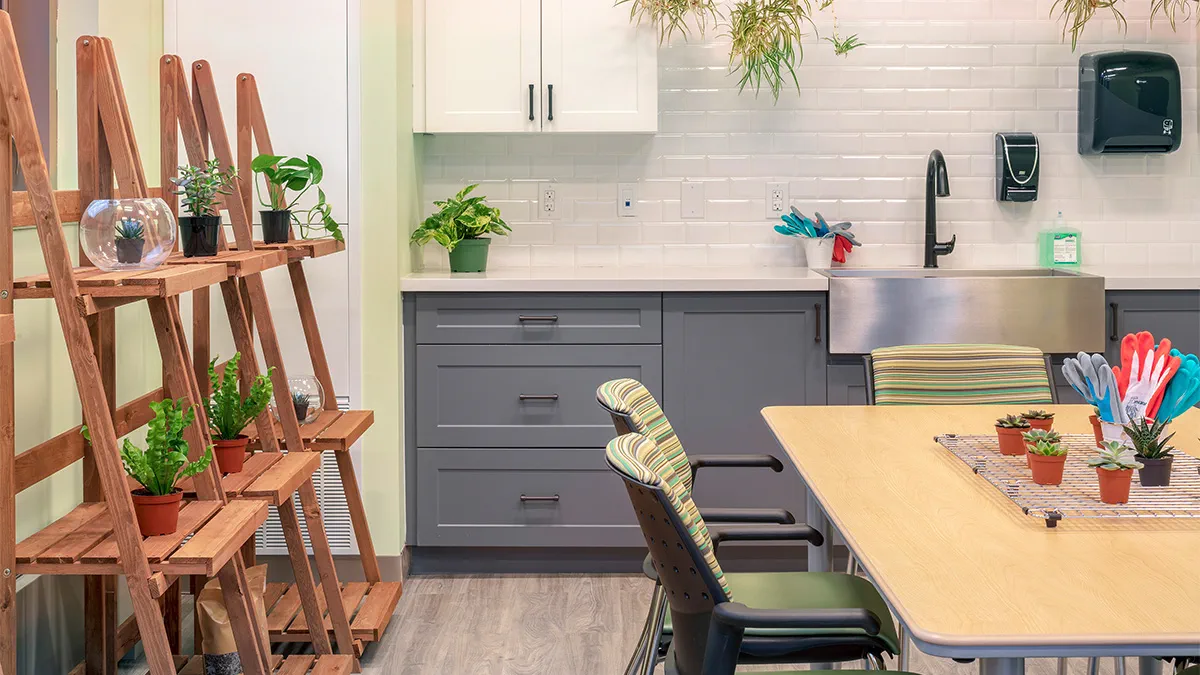
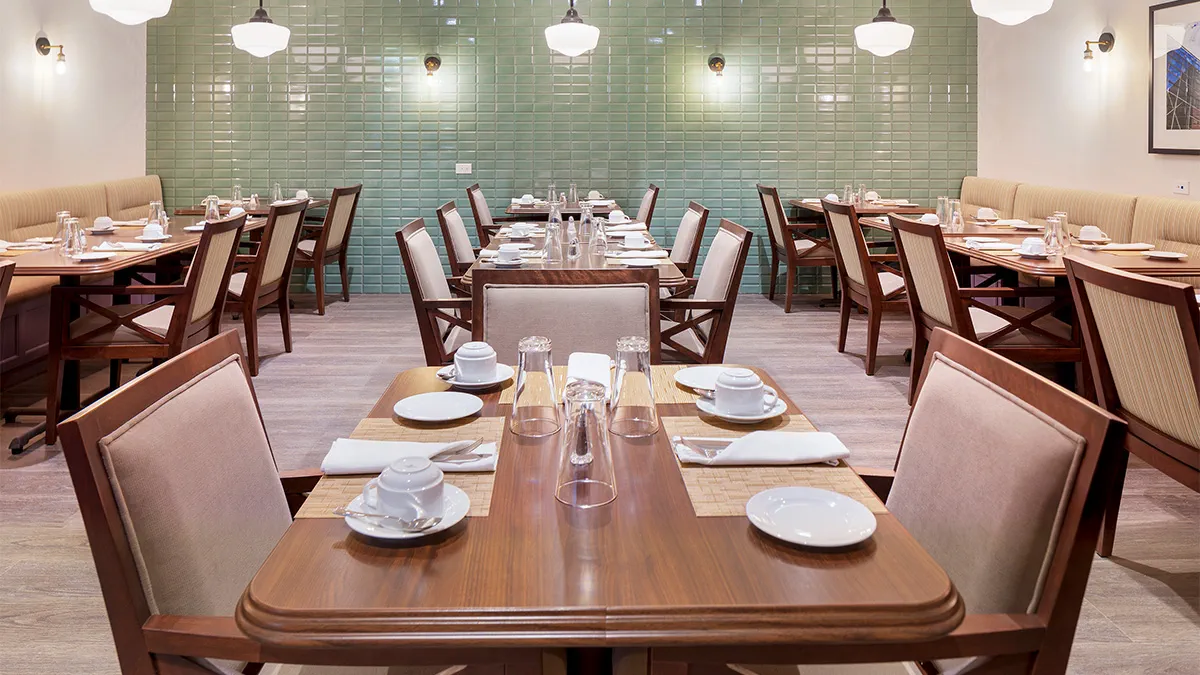
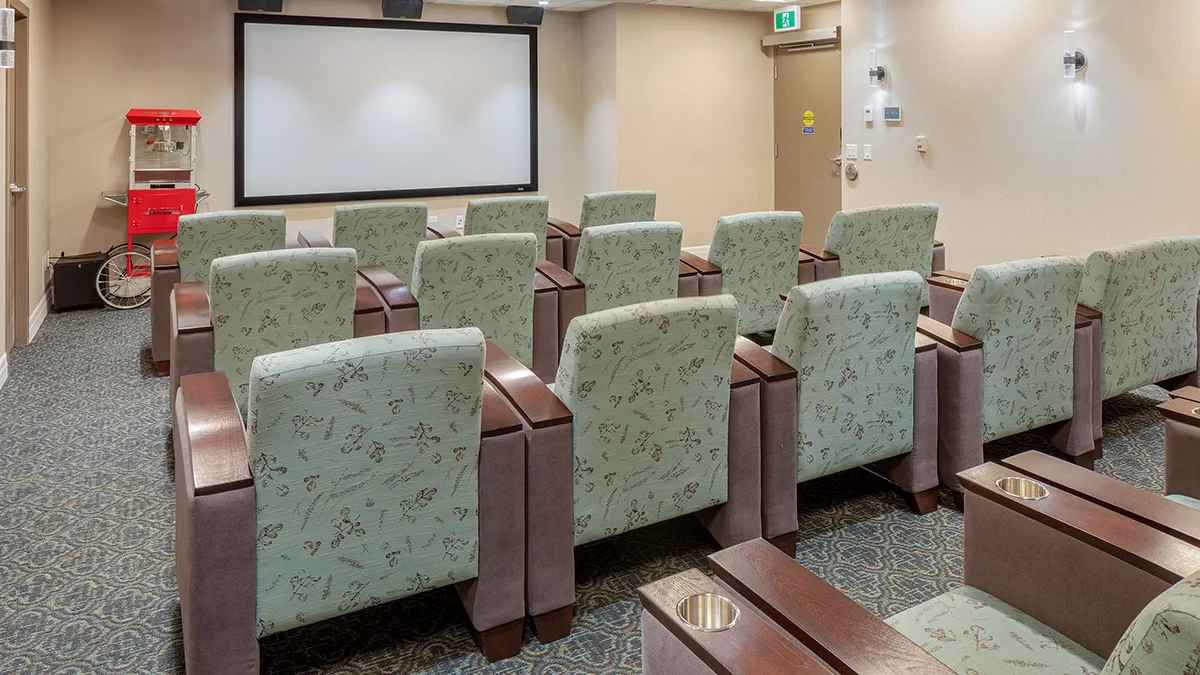
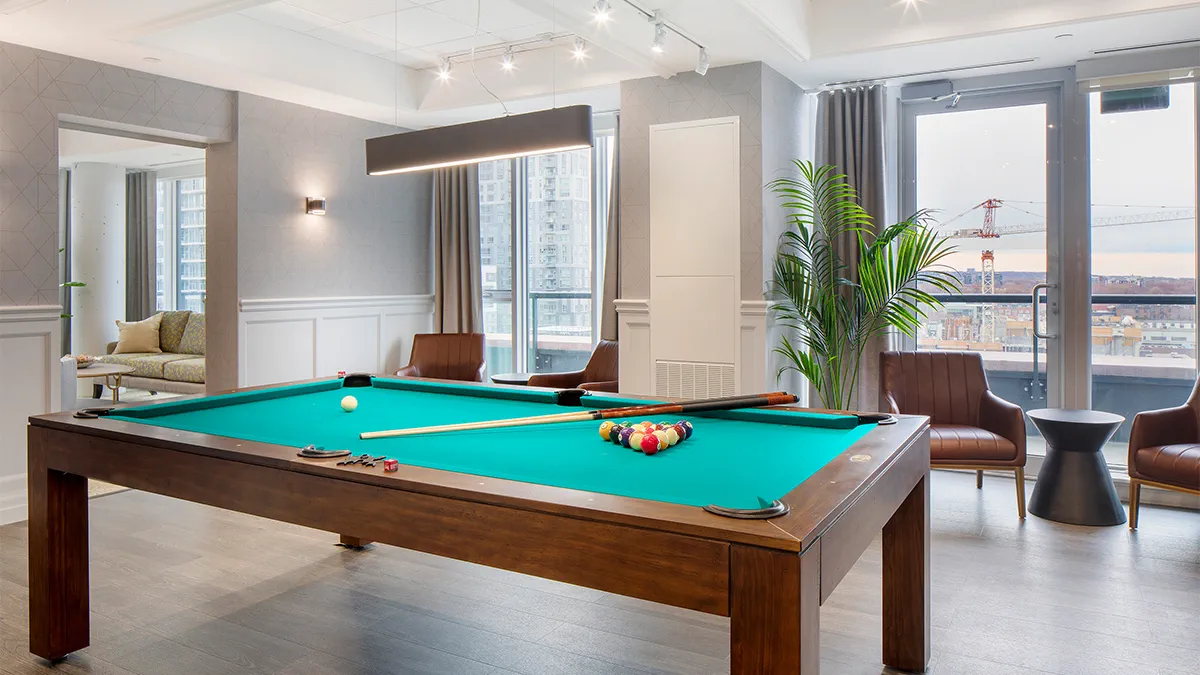
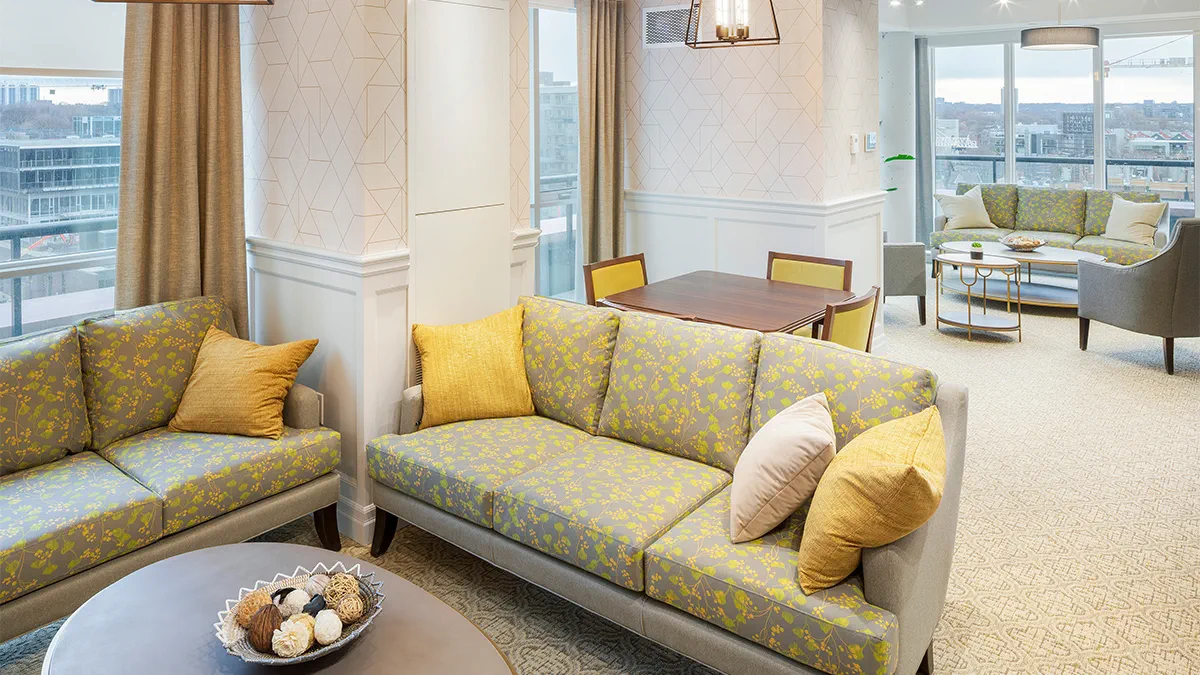
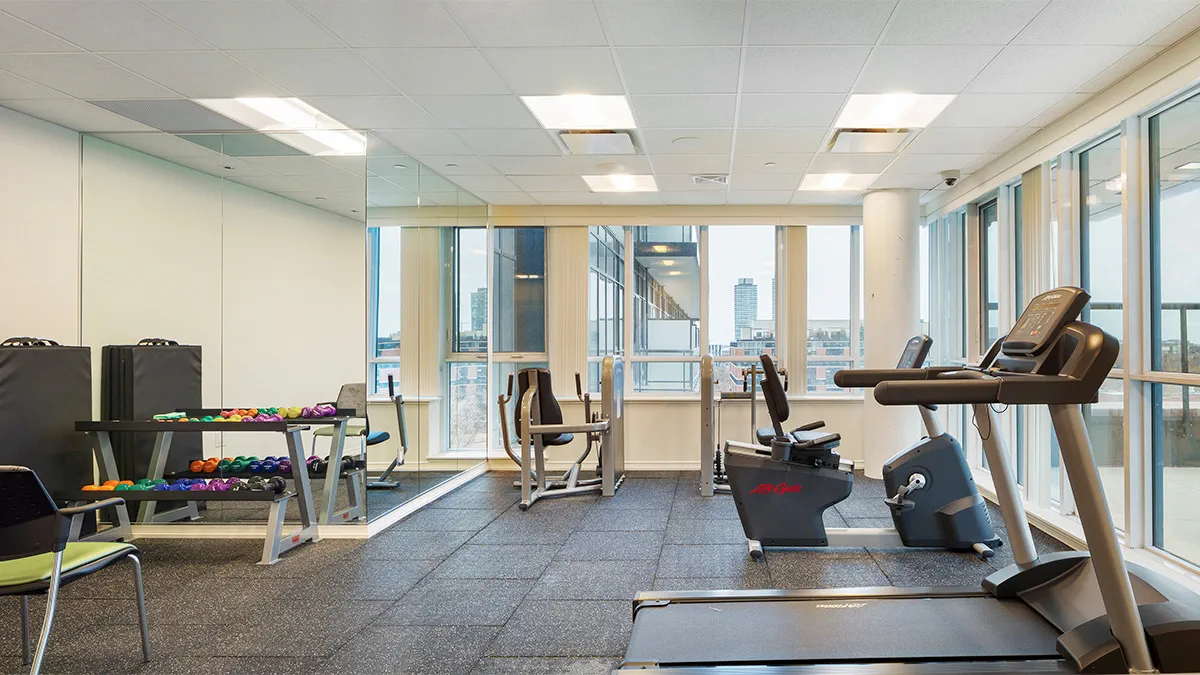
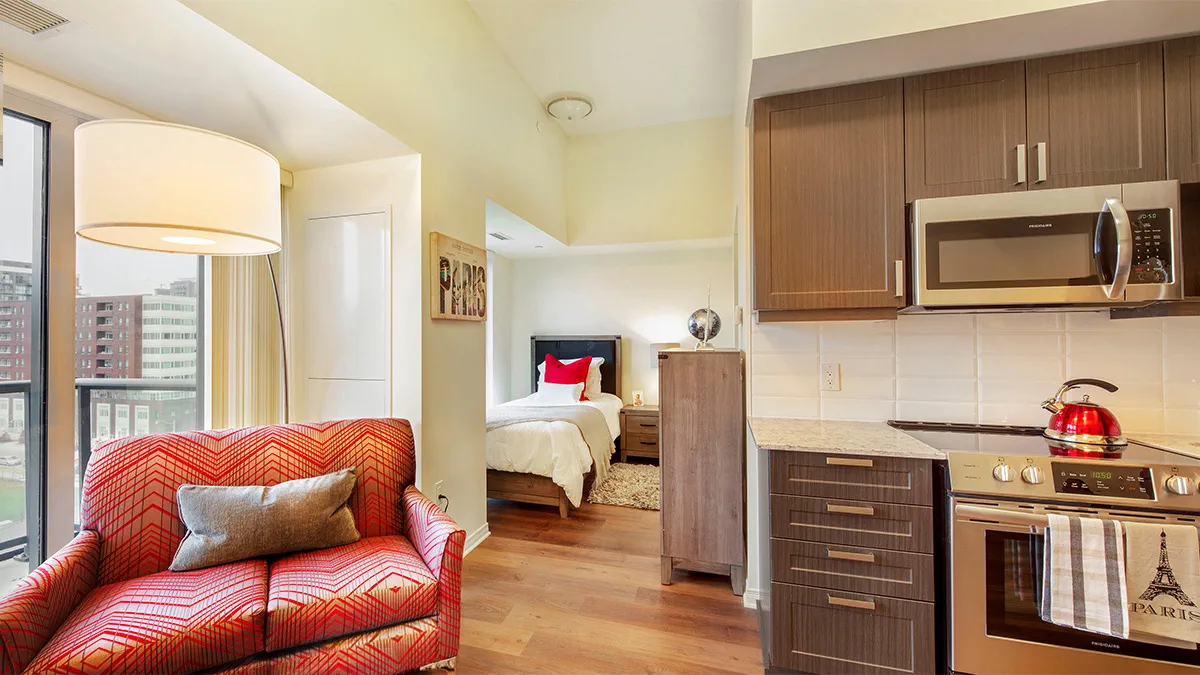
For those of you that are not familiar with Chartwell, they provide upscale independent-living and long-term care facilities across Canada. Sumach by Chartwell is a 12-storey independent-living retirement facility located in Regent Park. This is a modern, amenity-rich, high-end retirement residence that attracts established retirees and brings a new demographic to the social fabric of the new Regent Park.
Retail & Commercial Tenants
Regent Park has a slew of exciting new Retail and Commercial tenants to improve the resident’s quality of life. Every newly constructed condominium brings commercial space at its base, and further expands on the food and services available in the neighborhood.
See a list of all current Regent Park tenants below:




























Transit
When it comes to transit, the majority of riders take advantage of the 505 Dundas streetcar which runs through the heart of Regent Park along Dundas Street. This route runs from Dundas West subway station to Broadview subway station with a total of 42 stops along the way. This streetcar can take riders to the nearest subway station (Dundas on Line 1 or Broadview on Line 2) in less than 10 minutes.
Other popular transit options are the 506 Gerrard streetcar, 65 Parliament bus & 121 River bus.
Motorists
Regent Park is by far one of the most driver-friendly neighborhoods in all of Downtown Toronto. Don Valley Parkway, which is the main highway leading in and out of downtown, lies to the East, nearly adjacent to Regent Park. This highway connects motorists with the Gardiner Expressway as well as the 401 & 404 Highways with ease. Close proximity to Richmond Street and Adelaide streets help drivers get in and out of downtown core easily as well. River Street which turns into the Bayview extension, provides an attractive alternate route when the highways are busy.
Cyclists
New cycling infrastructure is being actively integrated around Regent Park. Residents can now take advantage of a new bike lane along Dundas Street from Sackville Ave running East. In addition, Shuter street has new cycling lanes running the length of Regent Park in the same directions. River street has new cycling lanes running the length of Regent Park connecting to new lanes along the Bayview extension.
Demographics
Average after-tax income of household
Median Age
Average Household Size
Population Size